
As consumer expectations change and retailers become more selective, the future of successful shopping centres increasingly depends on adaptability, innovation and active asset management.
Europe’s retail real estate landscape continues to evolve. From shifting shopping habits and rising operating costs to the growing importance of sustainability and experience-led retail, shopping centres must continually find new ways to remain competitive, relevant and attractive to customers and tenants alike.
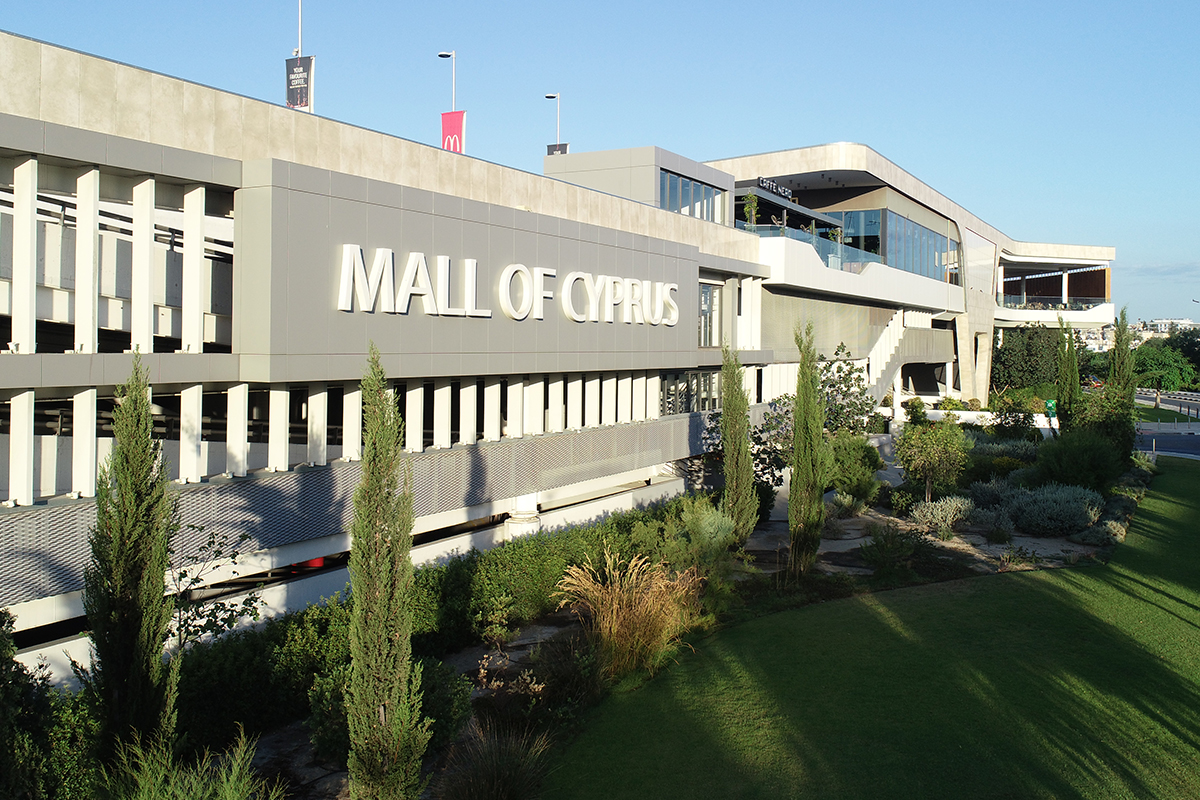
Across Atterbury Europe’s retail portfolio in Romania, Serbia and Cyprus, these shifts present different challenges and opportunities. While market conditions vary, one principle remains constant: long-term success requires a clear understanding of local customers, strong relationships with retailers and a willingness to invest in the continued evolution of each destination.
Altus Swanepoel, Head of Asset Management at Atterbury Europe, shares his perspective on the trends shaping European retail real estate, the changing role of physical shopping centres and what it takes to build resilient, successful retail assets for the future.

“Strong retail destinations continue to attract demand, but owners cannot assume that past success will guarantee future performance.”
Altus Swanepoel
1. From an asset management perspective, what are the biggest trends currently shaping retail real estate in Europe?
I would highlight three: Retailers are becoming more selective about location, consumers are becoming more conscious of value, and actively upgrading existing assets is becoming increasingly important. Strong retail destinations continue to attract demand, but owners cannot assume that past success will guarantee future performance.
For asset managers, this means working more closely with tenants, understanding their trading performance and adapting the tenant mix to the local market. Sometimes the best opportunity comes from reconfiguring existing space to introduce first-to-market brands or improve the overall offer.
Europe is far from a uniform market. Across Romania, Serbia and Cyprus, we need to respond to different economic conditions, consumer habits and levels of competition.
2. How is sustainability influencing the way existing retail assets are managed, upgraded and positioned for the future?
Sustainability is increasingly part of everyday asset management and capital planning. Measures such as solar installations, LED lighting, heat pumps, more efficient cooling systems and better monitoring of consumption can reduce both environmental impact and operating costs. That also helps tenants by keeping their total occupancy costs affordable.
For existing shopping centres, the approach needs to be practical and specific to the building. We need to understand where the greatest improvements can be achieved, coordinate upgrades with equipment replacement cycles and measure the results.
Resilience is also important, including how buildings cope with heat and heavy rainfall. Certifications have a role, but the real objective is an asset that operates more efficiently and remains attractive to customers, tenants and investors over the long term.

3. Online shopping continues to influence consumer behaviour. How has this changed the role of physical shopping centres?
Online shopping has raised the bar for physical retail. Customers can buy many products without leaving home, so a centre needs to give them worthwhile reasons to visit. These include discovering brands, trying products, receiving personal service, eating out and spending time with family and friends.
Physical stores also support online sales by building brand awareness and giving customers confidence in what they are buying. Collection and returns can connect the two channels.
From an asset management perspective, our role is to create an environment where these activities work together. A centre’s relevance increasingly depends on the quality and convenience of the whole visit, alongside the strength of its retail offer.
4. What do successful retail destinations need to offer today that they may not have needed to offer five or ten years ago?
Successful retail destinations need to offer more reasons to visit beyond shopping. Leisure, entertainment and food have become increasingly important in creating places where people choose to spend time with family and friends.
Family entertainment, children’s play areas, interactive concepts and a varied restaurant offer can encourage repeat visits, extend the time customers spend at a centre and support trading across the destination.
The right mix needs to reflect the local customer base. For some centres, this may mean family-focused activities; for others, experiences that appeal to students and younger adults. These uses should complement the retail offer, with careful consideration of their location, accessibility and operating hours.
Alongside permanent attractions, events, seasonal activities and pop-up experiences help keep the destination fresh.
The opportunity is to make the centre part of customers’ regular social lives, while maintaining the basics they expect: convenient access, clean facilities and a comfortable, welcoming environment.
5. How do you balance commercial performance with the need to keep destinations relevant, sustainable and attractive to customers?
I see these objectives as closely connected. A centre that remains relevant to customers gives its tenants a better opportunity to trade successfully, which supports rental income and asset value.
The challenge is balancing immediate returns with longer-term benefits. The tenant offering the highest rent is not always the best choice if another concept strengthens the mix and attracts more customers. Similarly, an upgrade may affect short-term cash flow while reducing costs or improving the centre’s competitiveness over time.
We assess decisions using tenant sales, occupancy costs, footfall, customer feedback and expected investment returns. We also consider the cost of doing nothing. Maintaining income today while allowing an asset to lose relevance can create a much bigger problem later.
6. Looking ahead, what do you believe will have the greatest influence on the performance of retail assets over the next few years?
Consumer purchasing power will remain a major influence, particularly where inflation and higher household expenses constrain discretionary spending. Operating costs, financing conditions and new competition will also affect performance.
However, I believe the biggest differentiator between individual assets will be how well they adapt. That means understanding their customers, retaining strong tenant relationships, attracting relevant brands and investing selectively in improvements that make a measurable difference.
The strongest assets will be those that remain affordable for tenants to operate in and attractive for customers to visit. Active management, local knowledge and disciplined investment will be central to achieving that.
Staying relevant means continuing to evolve. The future of European retail real estate will not be shaped by any single trend. Rather, it will depend on how effectively asset managers respond to changing customer needs, work with retail partners and make informed investment decisions that deliver sustainable, long-term value.
For Atterbury Europe, this reinforces the importance of a locally informed, hands-on approach to asset management across its diverse markets. Whether through a carefully considered tenant mix, improved operational efficiency or new experiences that give customers a reason to visit, the focus remains on keeping retail destinations relevant, competitive and positioned for the future.
Because in an evolving retail landscape, standing still is rarely an option.