
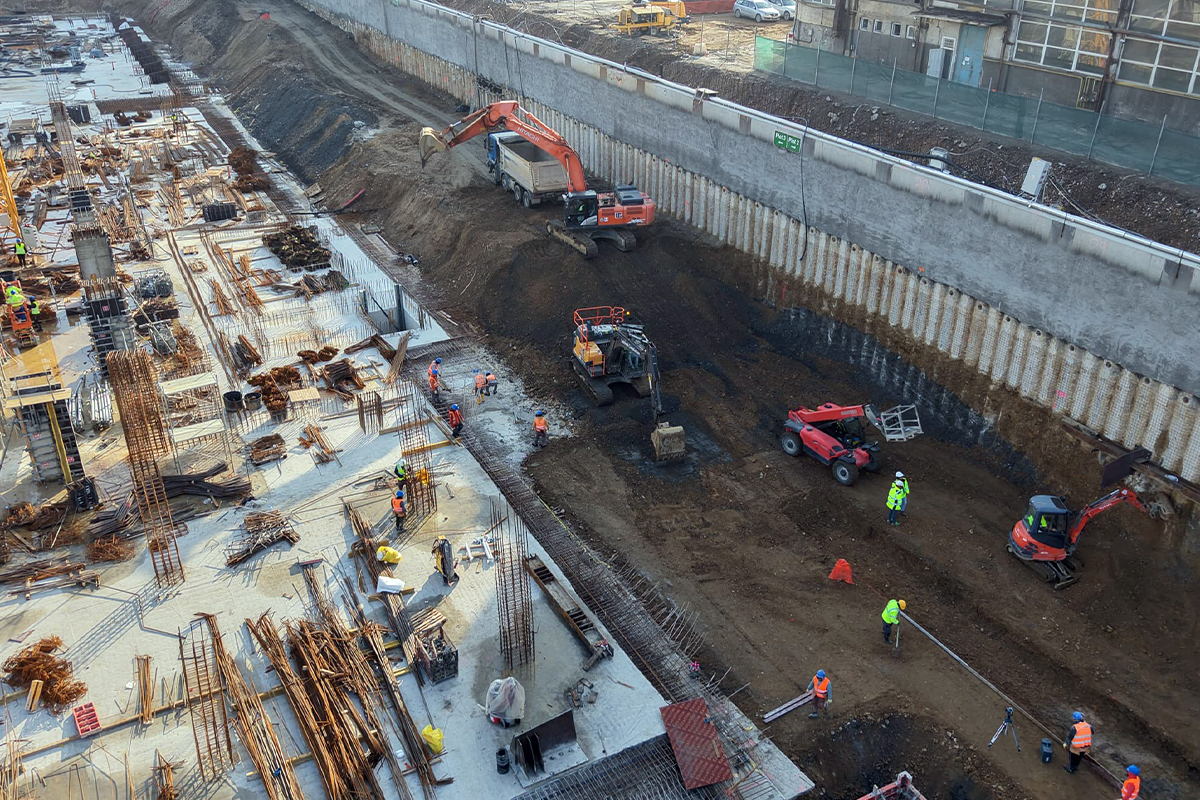
From planning for the unexpected to balancing commercial demands with community needs, RIVUS offers valuable lessons in managing a complex mixed-use development.
Some of the most important decisions on a major development happen long before there is much to see on site. At RIVUS in Cluj-Napoca, transforming a former industrial platform into a new part of the city involves far more than construction. Heritage buildings must be preserved, new infrastructure developed, environmental responsibilities addressed and commercial expectations met – all while managing costs, timelines and the practical challenges of delivering a project of this scale.
For Atterbury Europe and its Romanian partner, IULIUS Company, RIVUS draws on years of development experience and a strong, proven track record. But it is also offering lessons of its own.
We asked Roux Gerber, Head of Development Management at Atterbury Europe, to share some of those lessons, from the importance of partnerships and early decisions to remembering who the development is ultimately intended for.
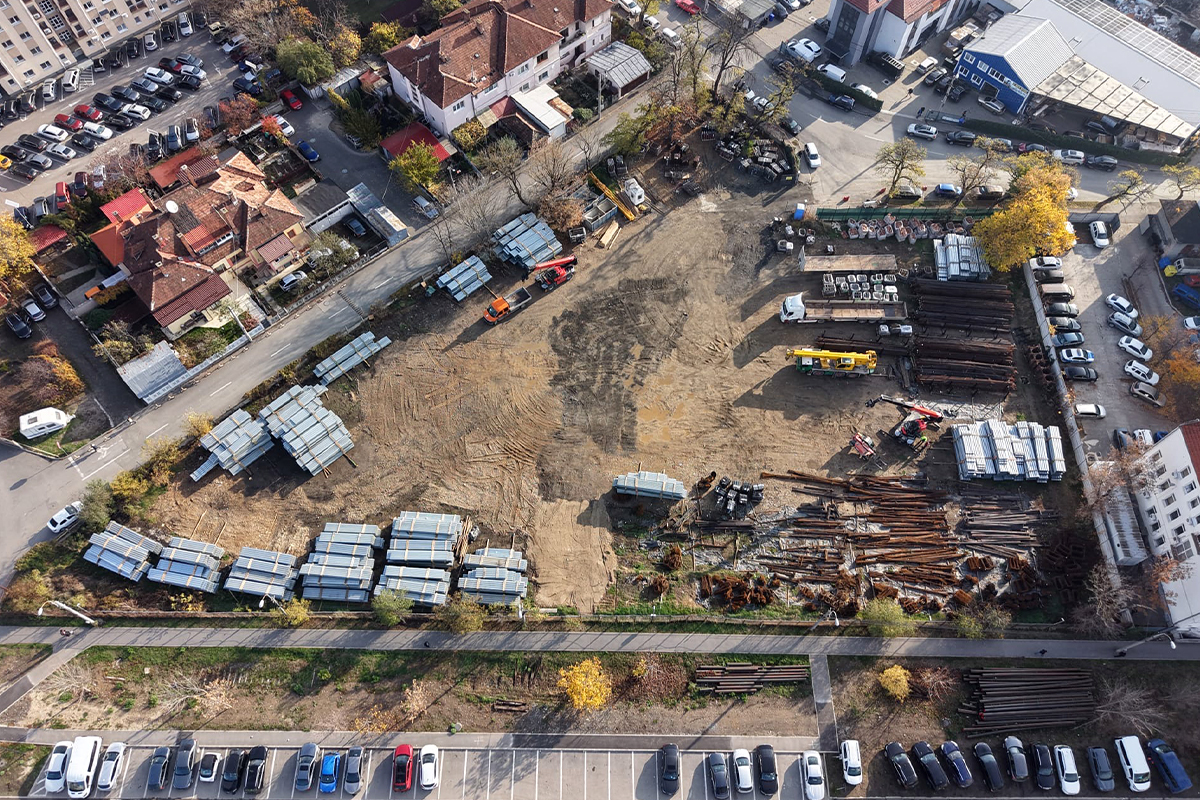
1. Every major development faces real hurdles. What have been the biggest challenges in bringing RIVUS to this stage, and how has the team worked through them?
The biggest challenge has been making so many moving parts work together: an old industrial site, heritage buildings, new infrastructure, complex detailed design and honouring a budget that must make sense. On top of that, we face labour shortages, higher construction and energy costs, and disruption to shipping and supply chains linked to conflicts around the world.
Much of the difficult work happens around a table, not on site. Some equipment has a very long lead time, and late deliveries can affect several trades. We try to address problems early, test alternatives and leave sensible buffers in the programme. I would much rather have a difficult discussion today than an avoidable surprise six months down the line.
Despite these pressures, we remain aligned with our original delivery intention.
2. What has RIVUS taught you about managing a complex urban regeneration project, especially on a former industrial site of this scale?
RIVUS has reminded us that an old industrial site is never a blank sheet of paper. You must understand its history and limitations before deciding what to build. IULIUS’s lead in the design vision, supported by Atterbury Europe’s international development experience and a proven local delivery team, is a winning formula. Together, that gives us a strong foundation for creating RIVUS. We are keeping two heritage buildings and opening up green spaces along the Someș River that people could not previously enjoy, while creating a new meeting place for the Cluj-Napoca community: RIVUS.
There is also an important environmental responsibility. Reusing what has value, thinking carefully about resources and avoiding unnecessary waste are all part of normal daily development decisions. We measure and report our progress, but the purpose goes beyond certificates or funding requirements. It is about being responsible for what we leave for the next generation to enjoy.
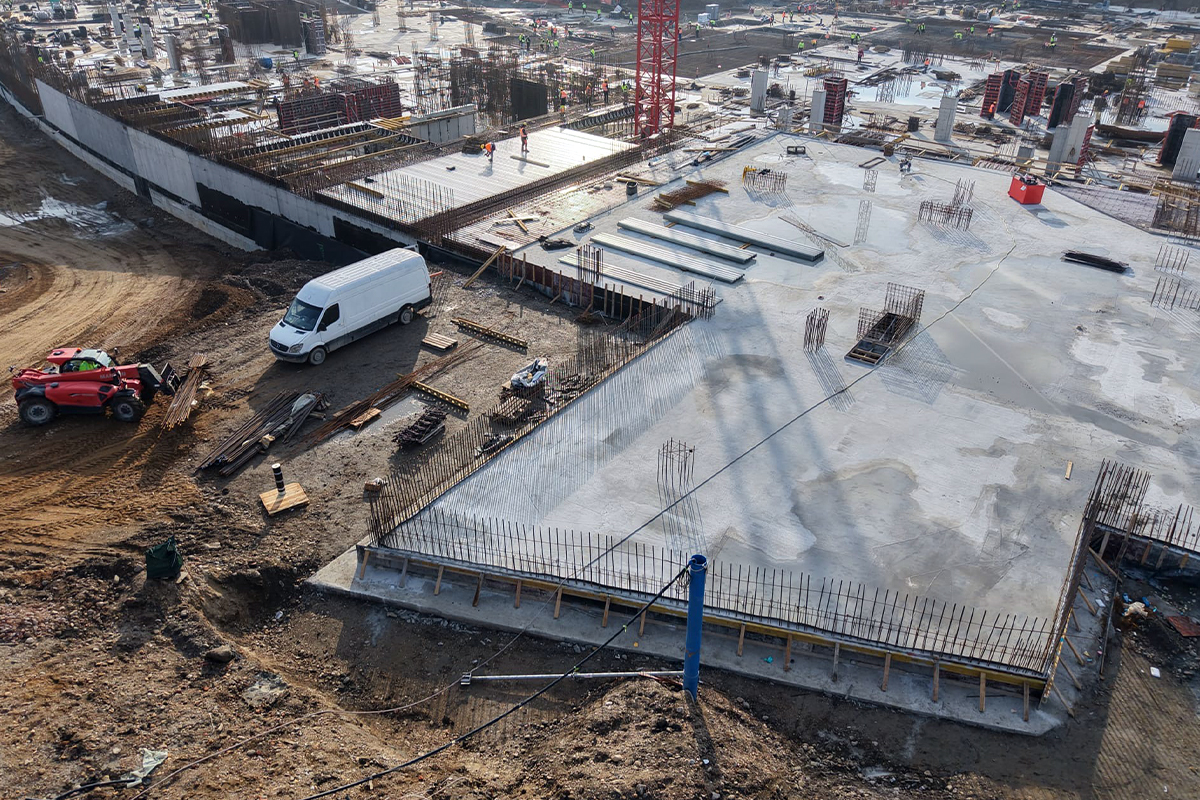
3. How do you keep momentum on a project like this while managing technical, regulatory, heritage, community and commercial expectations simultaneously?
You need a clear plan, good communication and the confidence to make timely decisions. A change to the design can affect a tenant, a permit, the budget or a delivery date. We therefore keep the right people involved and look well ahead, particularly when materials or equipment have long lead times. The smallest details matter, but we also keep the big picture in mind.
We don’t believe good planning means pretending the unexpected will never happen. It means knowing what you will do if a shipment is late or prices change. We also need to listen to the community. More than 10,000 people shared their views during consultation. Their expectations matter alongside our technical and commercial priorities.
4. What role has partnership played in overcoming challenges between Atterbury Europe, IULIUS Company, the city, consultants, contractors, prospective tenants and the wider project team?
RIVUS would not be where it is without its partnerships. IULIUS Company brings deep Romanian market knowledge, strong local development skills, a clear vision and a proven track record of delivery. Atterbury Europe brings international development and operational best practices and investment experience. We challenge one another openly, but we work as one team towards the same result: RIVUS.
Our contractor Buildcorp, the designers, cost consultants, engineers, suppliers, authorities and our valued tenants all play an important part in completing the RIVUS picture. When labour is scarce, a delivery is delayed or designs need to change, relationships make a real difference. We put responsibility and risk with those best placed to manage them, but nobody can solve every problem alone. That same teamwork helps us maintain safety, environmental standards, reporting and progress while construction moves forward.
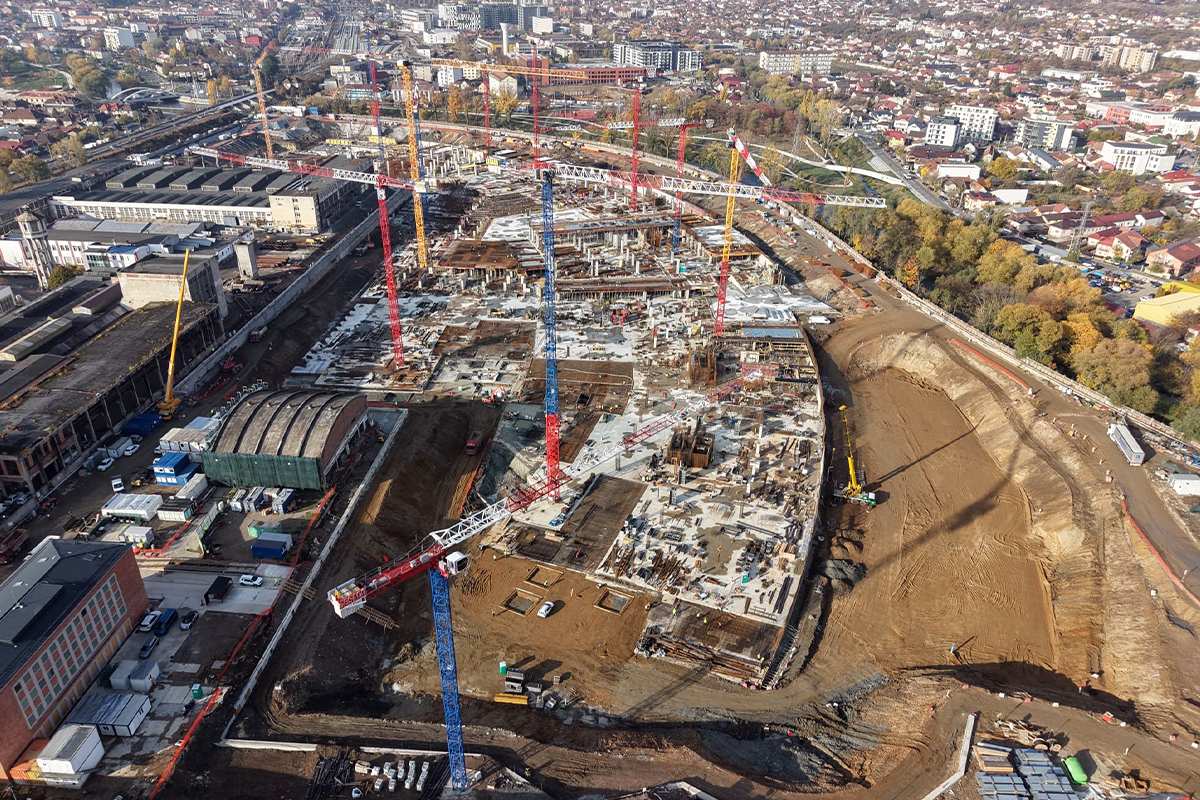
5. What key development lesson from RIVUS would you carry into future large-scale mixed-use projects?
Firstly, start with the place you want people to enjoy, not only the buildings you want to put on it. IULIUS Company’s experience in “creating new cities”, combined with international best practice from Atterbury, was instrumental in shaping that vision for RIVUS as a world-class destination.
Secondly, plan carefully and leave room for real life. Labour, prices, shipping, long lead procurement timelines and construction execution will not always go as expected. Good development planning is the skill of looking ahead, testing options, bringing different views together and keeping everyone informed. We are still working towards our original delivery intention, while staying realistic about the risks.
And finally, remember why the work matters. Responsible use of resources and care for the environment should guide everyday choices, because this development will outlast all of us. Of course, we also have to deliver on our shareholders’ expectations.
We love what we do as a team, and I try to enjoy the progress along the way. Every walk around the site is a good reminder of what the team is creating for Cluj-Napoca.
Looking beyond construction
RIVUS is still under construction, with many important decisions and milestones ahead. Yet some of its most useful lessons are already clear: understand the place before developing it, deal with problems early, build partnerships around complementary strengths and remain open to the needs of the community.
These are principles that extend well beyond Cluj-Napoca.
For Atterbury Europe, they reinforce an approach to development that considers not only what can be built, but how a place will function, adapt and remain relevant long after the construction teams have left.
Ultimately, that is what makes urban regeneration valuable: creating places with a useful and lasting role in the cities they are part of.
Explore the RIVUS development at www.rivus.ro/en