Across Europe, sustainability in real estate is entering a more mature phase. The focus is shifting from certification as a design milestone towards measurable operational performance – how buildings function, adapt and deliver value over time.
In Romania, this shift is increasingly visible. For Atterbury Europe and its long-standing partner IULIUS, green certification has evolved into a practical framework guiding asset management, investment strategy and long-term resilience across the portfolio.

“The focus has shifted from certification as an endpoint to performance as a continuous process.”
Operational performance as the new benchmark
Historically, certification often centred on design intent and documentation. Today, newer frameworks place greater emphasis on real-world outcomes, requiring continuous monitoring and operational optimisation.
This evolution prompted a structural change in how assets are managed. Advanced building management systems now support ongoing monitoring, enabling operational teams to optimise HVAC systems, adjust schedules and improve efficiency based on actual building usage. Energy performance is no longer viewed as a fixed outcome, but as a continuous process.
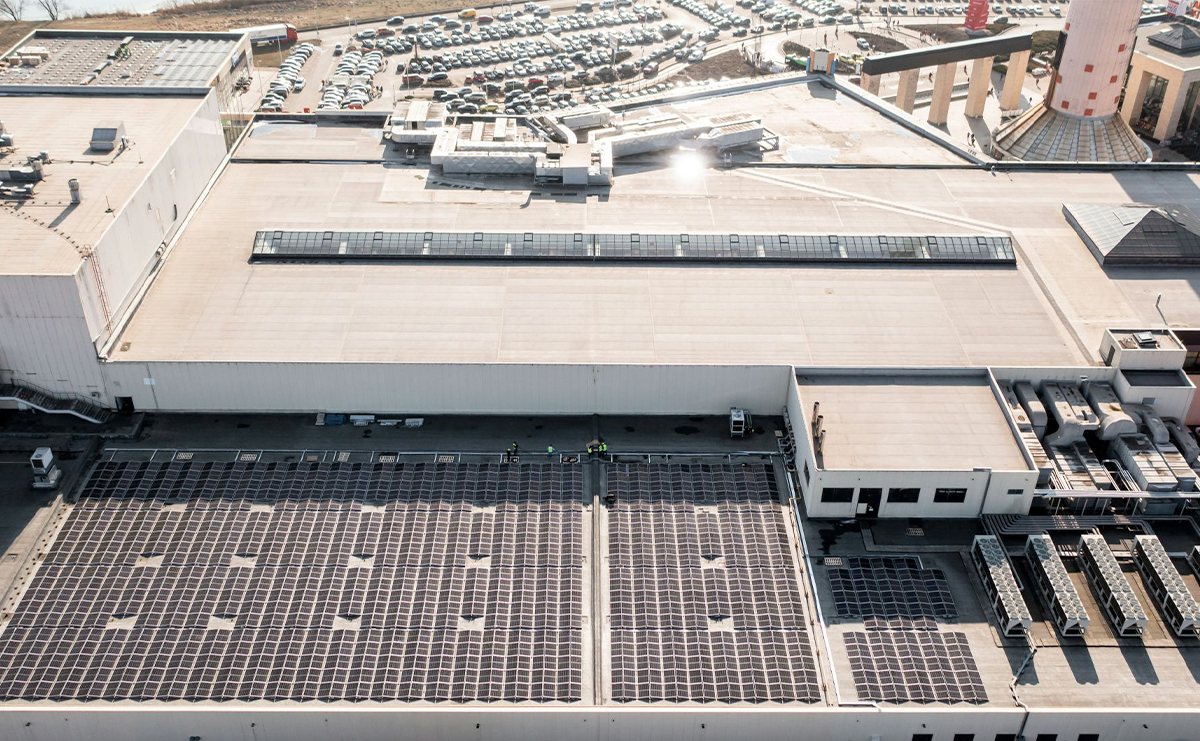
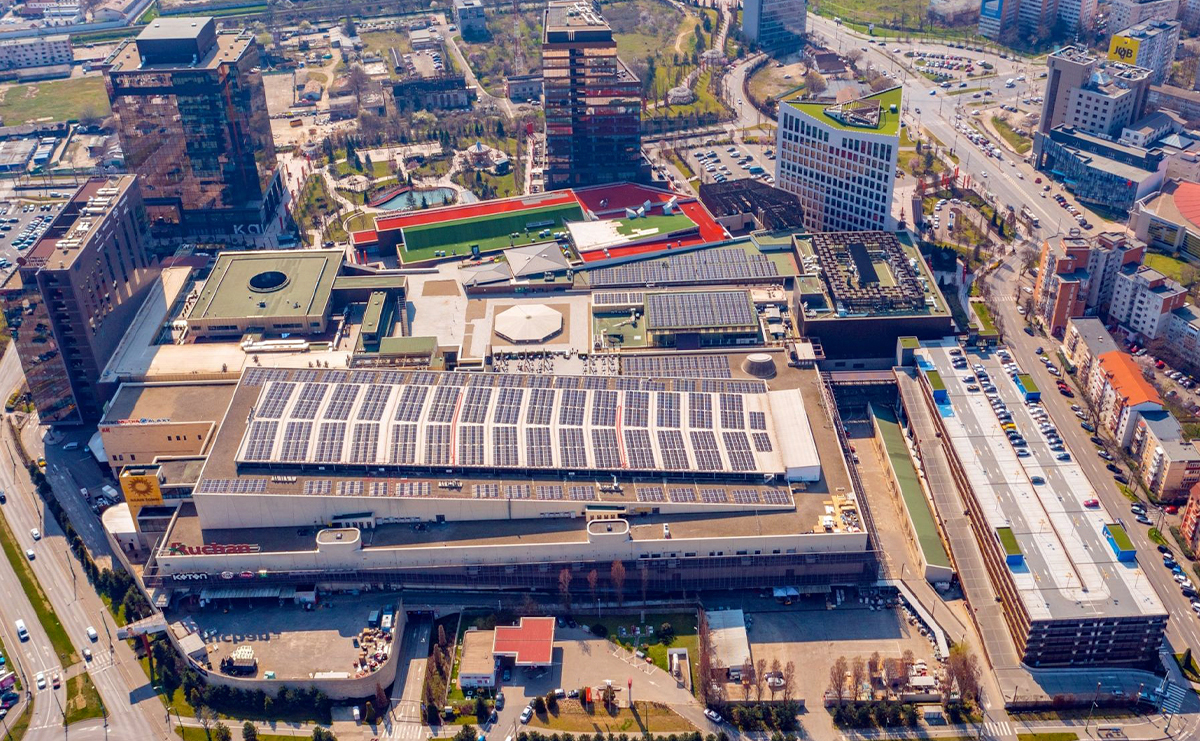
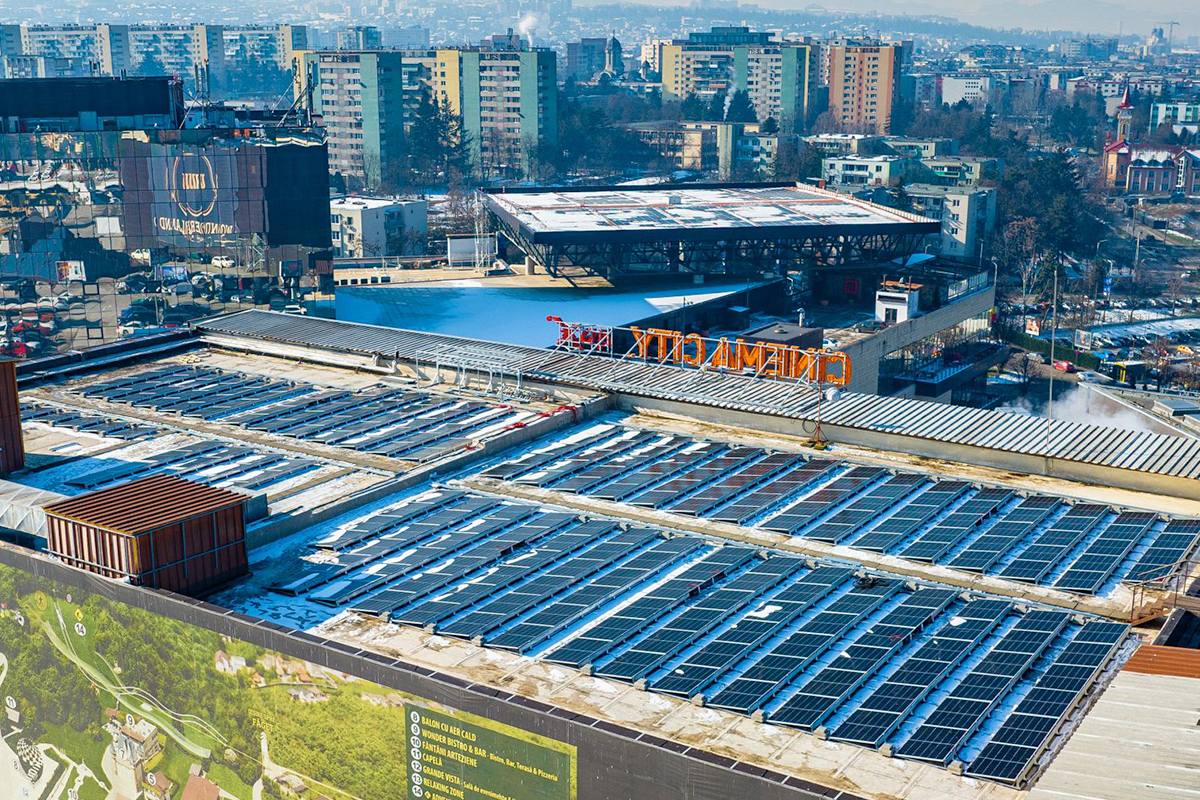
Modernisation programmes – including LED transitions, HVAC upgrades, renewable electricity sourcing and photovoltaic integration – support a broader decarbonisation strategy aligned with the 1.5°C pathway.
Operational focus extends beyond energy. Indoor environmental quality, water consumption and waste management are managed through structured monitoring and disciplined maintenance processes, ensuring long-term performance rather than short-term compliance.
Delivering measurable value
For tenants, certified assets provide operational stability. Consistent indoor conditions, improved transparency in utility reporting and reduced performance variability contribute to more predictable operating costs and improved user experience.
For investors and financing partners, sustainability certification supports resilience through structured performance data and greater transparency – strengthening due diligence and supporting alignment with EU Taxonomy and ESG financing frameworks, and also opening the doorway to cheaper sources of green financing.
At the community level, lower resource consumption and improved urban integration contribute incrementally to more resilient and efficient city systems.
Operating within a changing regulatory landscape
Romania’s sustainability environment continues to evolve under EU regulatory influence, including nZEB requirements, CSRD reporting and EU Taxonomy criteria.
Within this layered framework, certification acts as a bridge between minimum compliance and higher operational maturity. While implementation introduces complexity and investment requirements, it also establishes the monitoring discipline and transparency increasingly expected by regulators, investors and occupiers.
For Atterbury Europe and IULIUS, ESG integration is now embedded within investment and operational decision-making, reflecting a broader shift from sustainability as an initiative to sustainability as a strategic business principle.
“Operational discipline is now central to delivering sustainability outcomes.”
Looking ahead
The next phase focuses on scale and integration – embedding climate resilience and environmental performance from the earliest stages of development.
RIVUS Cluj-Napoca, a €500+ million urban regeneration project, illustrates this approach. Designed to achieve LEED Platinum and EDGE Advanced standards, the development combines renewable energy systems, biodiversity measures and low-carbon design within a mixed-use urban destination anchored by a 52,000 sqm park.
The direction is clear: sustainability is increasingly defined by operational outcomes rather than design intent alone.
For Atterbury Europe and IULIUS, the focus is not simply on achieving certification, but on creating assets that remain efficient, resilient and relevant throughout their lifecycle; aligning long-term performance with the evolving expectations of tenants, investors and cities.